Launch Date, Features & How It Will Unlock Universe Mysteries
A New Era of Space Discovery Begins
With the impending launch of the Nancy Grace Roman Space Telescope, NASA is beginning a significant new phase of space research. This next-generation observatory, which is intended to investigate some of the universe’s most profound mysteries, is already garnering attention for its capabilities as well as for being finished on time and within budget.
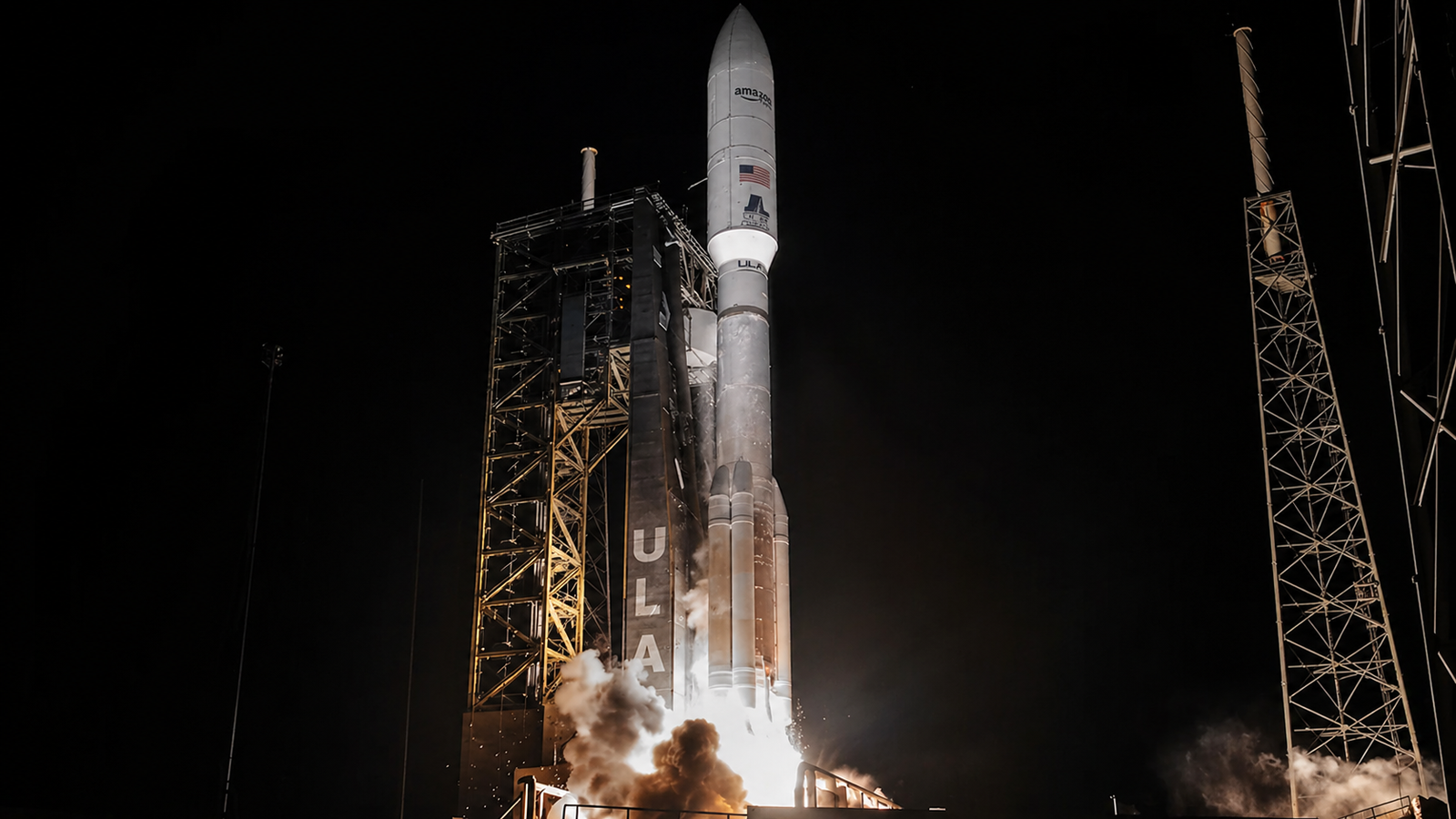
The Roman Space Telescope, which is scheduled to launch on a Falcon Heavy in September, is expected to revolutionize our understanding of space, from distant exoplanets to dark energy.
Built for Discovery: What Makes Roman Special?
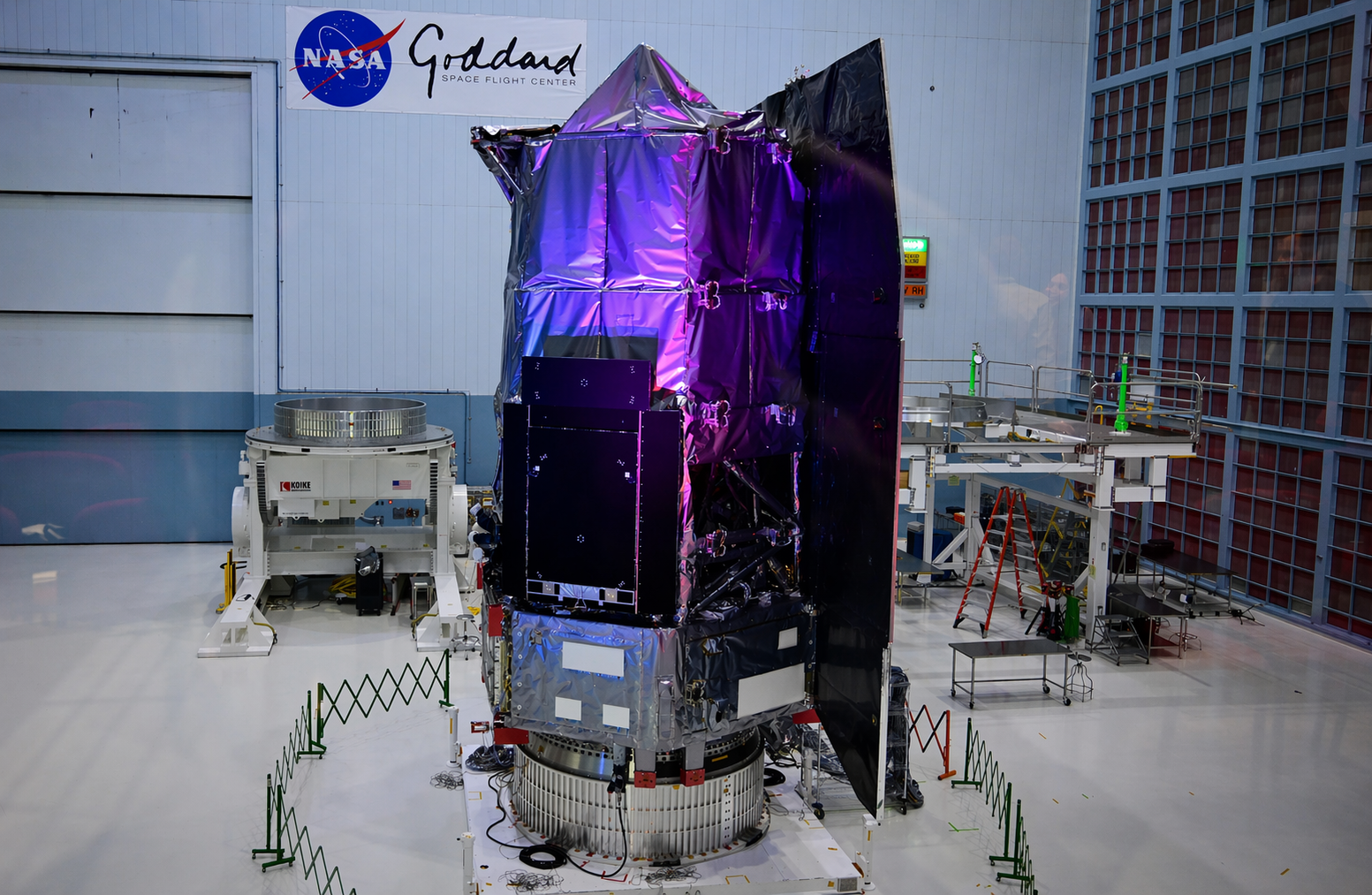
Unveiled at NASA’s Goddard Space Flight Center, the Roman Telescope shares structural similarities with the legendary Hubble Space Telescope, but it goes far beyond in terms of power and efficiency.
Key Capabilities:
- Wider Field of View: Roman can scan vast portions of the sky much faster than previous telescopes
- High-Resolution Imaging: It will capture incredibly detailed images of galaxies and cosmic structures
- Massive Data Output: The telescope will send back 1.4 terabytes of data daily—what Hubble produces in about three months
This combination of speed and precision will allow scientists to explore the universe on an entirely new scale.
Exploring the Unknown: Mission Goals
The Roman Space Telescope is not just another observatory—it’s a mission designed to answer some of the biggest questions in astrophysics.
What Will Roman Study?
- Dark Energy: Understanding the mysterious force accelerating the universe’s expansion
- Exoplanets: Discovering and imaging planets beyond our solar system
- Rogue Planets: Detecting planets that drift through space without orbiting a star
- Black Holes: Finding isolated black holes across the galaxy
- New Galaxies: Mapping previously unseen regions of the universe
According to NASA scientists, Roman will survey more of the cosmos faster and in greater detail than any telescope before it.
Cutting-Edge Technology: The Coronagraph
One of Roman’s most exciting features is its advanced coronagraph instrument, a technology that sounds almost like science fiction.
How It Works:
This system uses the wave nature of light to block out the intense brightness of stars, allowing the telescope to capture faint planets nearby. It also includes adaptive optics, enabling the telescope to adjust itself in real-time for perfect precision.
This will be the first time such advanced optical technology is used in space, paving the way for future missions to directly image Earth-like planets.
Launch Timeline & Journey Into Space
If everything stays on track, the Roman Telescope will launch in September and travel approximately one million miles into deep space.
There, it will join its cosmic neighbor, the James Webb Space Telescope, forming a powerful duo for exploring the universe.
Key Milestones:
- Launch: September (via Falcon Heavy)
- Arrival in Deep Space: Shortly after launch
- First Images Expected: June 2026
Honoring a Space Pioneer
The telescope is named after Nancy Grace Roman, NASA’s first chief astronomer and a visionary who championed space-based telescopes like Hubble.
Her legacy lives on in this ambitious mission, which aims to push the boundaries of human knowledge even further.
Why This Mission Matters
The Roman Space Telescope is more than a scientific instrument—it’s a leap forward in humanity’s quest to understand the cosmos. By capturing vast amounts of high-quality data, it will help scientists answer questions that have puzzled us for decades.
As NASA Administrator Jared Isaacman emphasized, the deeper we explore space, the closer we come to understanding the unknown.
Final Thoughts
With its groundbreaking technology, ambitious goals, and efficient development, the Roman Space Telescope stands as a symbol of innovation and collaboration. As its launch approaches, the world eagerly awaits the discoveries that could reshape our understanding of the universe.
Stay tuned—because the next big breakthrough in space might be just one image away. 🌌