“Fighting Artificial Intelligence Is a Losing Battle”
Demi Moore Says AI in Hollywood Is Inevitable as Cannes Film Festival Debates the Future of Cinema
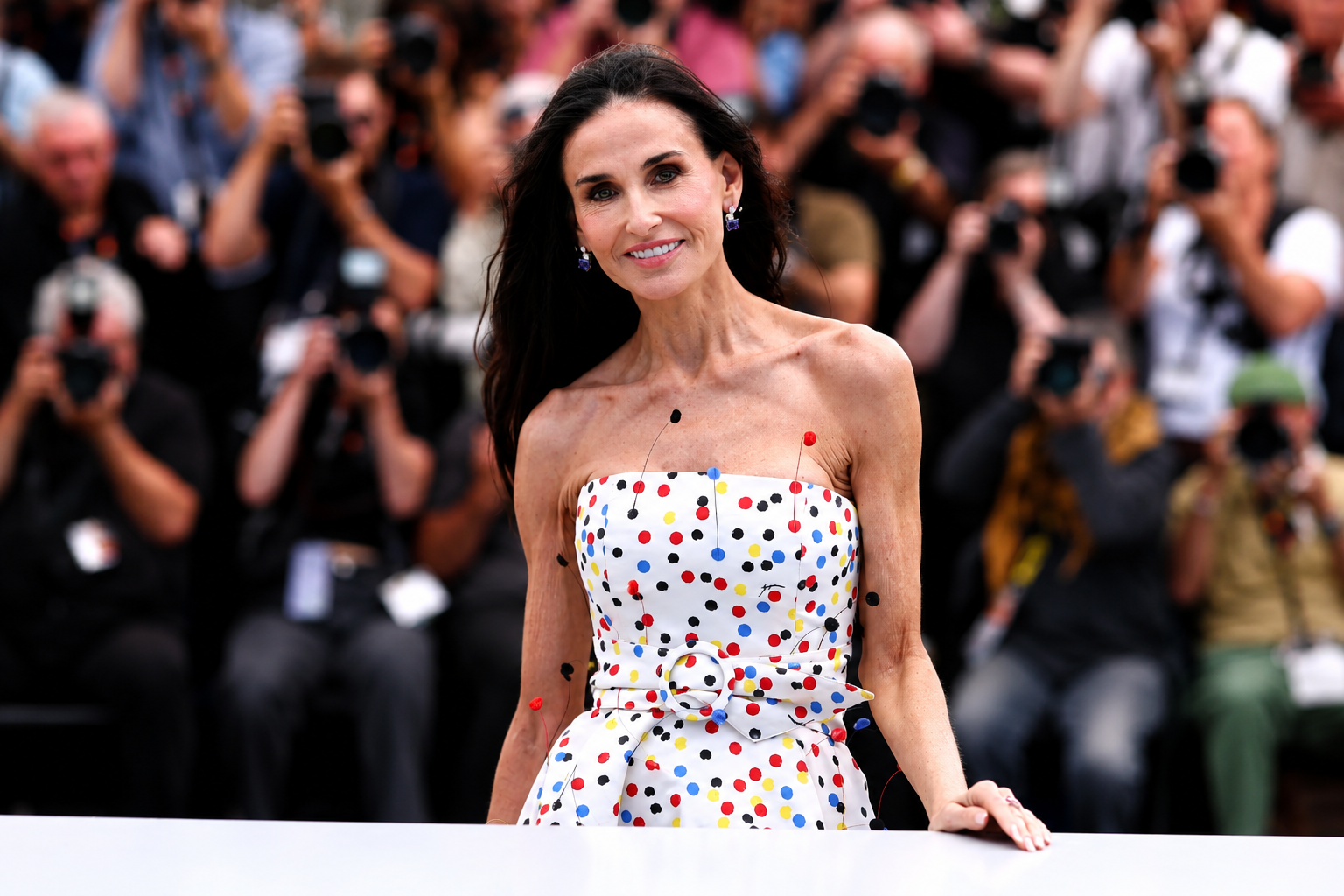
The conversation around artificial intelligence in Hollywood reached a new level this week after acclaimed American actress Demi Moore openly stated that fighting AI is a “losing battle.” Speaking ahead of the opening ceremony of the prestigious Cannes Film Festival, Moore encouraged the entertainment industry to focus on learning how to work with artificial intelligence instead of resisting it.
As the global film industry rapidly evolves with AI-powered filmmaking tools, digital production systems, and machine-learning technologies, Moore’s comments have reignited debates about the future of cinema, creativity, and artist protection. The growing role of AI in filmmaking has become one of the most discussed topics at the Cannes Film Festival, where filmmakers, actors, producers, and critics continue to explore how technology could reshape modern entertainment.
Moore’s remarks come at a time when Hollywood studios and global streaming platforms are increasingly experimenting with AI-generated content, visual effects, automated editing tools, and virtual production systems. While many artists remain concerned about job security and creative ownership, others believe artificial intelligence could become a powerful tool that enhances storytelling and production quality.
Demi Moore Says Artificial Intelligence Is Here to Stay
During a press conference before the Cannes Film Festival officially began, Demi Moore addressed journalists about the growing influence of artificial intelligence in the entertainment industry. The Oscar-nominated actress made it clear that AI technology is already deeply integrated into modern filmmaking and cannot simply be ignored.
According to Moore, trying to stop the rise of AI in Hollywood would ultimately fail because technological innovation is moving too quickly. Instead, she believes the smarter path is to find ways to responsibly integrate AI into filmmaking while protecting actors, writers, directors, and other creative professionals.
Her comments reflect a growing reality within the entertainment business, where AI tools are already being used for:
- Script analysis
- Visual effects enhancement
- Voice replication
- Digital de-aging
- Film editing
- Content recommendation systems
- Virtual production environments
The debate over AI in cinema has intensified in recent years, especially after concerns emerged during Hollywood labor strikes over the use of artificial intelligence in film and television production.
Moore emphasized that while AI offers opportunities, the industry may still not be doing enough to protect creative professionals from potential misuse of the technology.
Cannes Film Festival Faces Growing AI Debate in Cinema
The Cannes Film Festival has positioned itself as one of the world’s leading defenders of traditional cinema and artistic filmmaking. However, the rapid growth of artificial intelligence in entertainment has become impossible for the festival to ignore.
Although Cannes currently does not allow generative AI-created films to compete in its official competition categories, discussions about AI’s future role in cinema have become one of the dominant themes at this year’s event.
Industry experts attending Cannes are increasingly questioning:
- How AI will impact filmmaking jobs
- Whether AI-generated films qualify as cinema
- How copyright laws should evolve
- What protections actors and writers need
- How AI could influence storytelling creativity
Many filmmakers worry that excessive dependence on AI-generated visuals and scripts could reduce originality in cinema. Others argue that AI tools could help independent filmmakers reduce production costs and improve access to advanced filmmaking technologies.
As one of Hollywood’s most respected actresses, Demi Moore’s comments carry significant influence within these ongoing discussions.
Demi Moore Returns to Cannes After “The Substance” Success
This year marks another important moment in Demi Moore’s career as she returns to Cannes following the massive attention generated by her body-horror film The Substance. The movie premiered at Cannes in 2024 and earned Moore her first-ever Academy Award nomination.
Her performance in The Substance received widespread praise from critics and audiences, helping revive discussions about her long and successful Hollywood career. The film’s strong reception also demonstrated Cannes’ continued importance as a launching platform for award-winning international cinema.
At this year’s festival, Moore is serving as one of nine jury members responsible for selecting the prestigious Palme d’Or winner, the festival’s highest honor, which will be awarded on May 23.
Her presence on the jury further highlights her growing influence not only as an actress but also as an important voice in conversations surrounding the future of film and entertainment technology.
Park Chan-wook Becomes First Korean Cannes Jury President
Alongside Demi Moore, acclaimed South Korean filmmaker Park Chan-wook is making history at Cannes as the first Korean filmmaker to serve as jury president.
Park reflected on how South Korea transformed from a relatively small film market into a global cinematic powerhouse over the past two decades. The director, best known internationally for his critically acclaimed thriller Oldboy, first gained major recognition at Cannes in 2004.
According to Park, the global film industry has expanded significantly, allowing international cinema — especially Korean films — to achieve worldwide popularity and influence.
The global success of Korean entertainment has surged in recent years thanks to internationally successful films, television series, and streaming content. Productions from South Korea are now widely recognized for their creativity, storytelling depth, and technical excellence.
Park explained that his appointment as jury president reflects not only Korea’s cinematic achievements but also the broader globalization of the entertainment industry itself.
AI in Hollywood Could Transform the Future of Filmmaking
The entertainment industry is currently facing one of the biggest technological transitions since the rise of digital filmmaking. Artificial intelligence is already changing how movies are planned, produced, marketed, and distributed.
Experts believe AI could soon help filmmakers:
- Generate realistic visual effects faster
- Translate films into multiple languages instantly
- Improve editing efficiency
- Create digital environments at lower costs
- Personalize audience experiences
- Enhance post-production workflows
However, concerns continue to grow regarding copyright protection, actor likeness rights, deepfake technology, and the possibility of reduced opportunities for creative professionals.
Hollywood unions and industry leaders are actively discussing new regulations that could define how AI is used responsibly in filmmaking.
Demi Moore’s warning that “AI is here” reflects the reality many entertainment professionals now acknowledge. Rather than attempting to stop technological progress entirely, the focus may shift toward building ethical safeguards and ensuring human creativity remains central to storytelling.
Cannes Continues to Shape the Future of Global Cinema
The Cannes Film Festival remains one of the most influential events in the global entertainment industry. Every year, the festival becomes a platform not only for celebrating cinema but also for discussing the future of filmmaking itself.
This year’s conversations surrounding artificial intelligence, international cinema growth, and creative protection highlight how rapidly the film industry is changing.
With influential voices like Demi Moore and Park Chan-wook leading discussions, Cannes continues to serve as a major cultural crossroads where art, technology, and storytelling collide.
As AI technology continues advancing, the entertainment industry may soon face difficult decisions about balancing innovation with artistic authenticity. For now, one thing is clear: artificial intelligence is becoming an unavoidable part of Hollywood’s future.