Elon Musk’s Giant Mars Rocket Enters a New Era of Space Exploration
SpaceX Starship V3 Test Flight Could Shape the Future of Mars Missions and SpaceX IPO
SpaceX is preparing for one of the most important rocket launches in its history as the company gears up for the 12th uncrewed test flight of its next-generation Starship rocket. The upcoming mission is not just another routine launch — it represents the debut of the newly upgraded Starship V3, a massive spacecraft designed to support future moon missions, Mars colonization plans, and the expansion of Elon Musk’s ambitious space vision.
The launch is attracting global attention from investors, space enthusiasts, NASA supporters, and the broader aerospace industry because Starship has become the centerpiece of SpaceX’s long-term business strategy. The fully reusable rocket system is expected to dramatically reduce launch costs, revolutionize satellite deployment, and eventually transport humans to the Moon and Mars.
The timing of this mission is especially important as reports suggest SpaceX may move closer toward a highly anticipated initial public offering (IPO) valued at an astonishing $1.75 trillion.
Starship V3 Marks a Major Leap Forward for SpaceX
The new Starship V3 is considered the most advanced version of the rocket ever built by SpaceX. According to recent reports, the upgraded spacecraft includes several engineering improvements designed to support long-duration space missions and improve overall mission reliability.
The towering launch system consists of two primary components:
- The upper-stage Starship spacecraft
- The powerful Super Heavy booster rocket
Together, the combined vehicle forms the largest and most powerful rocket system ever developed in human history.
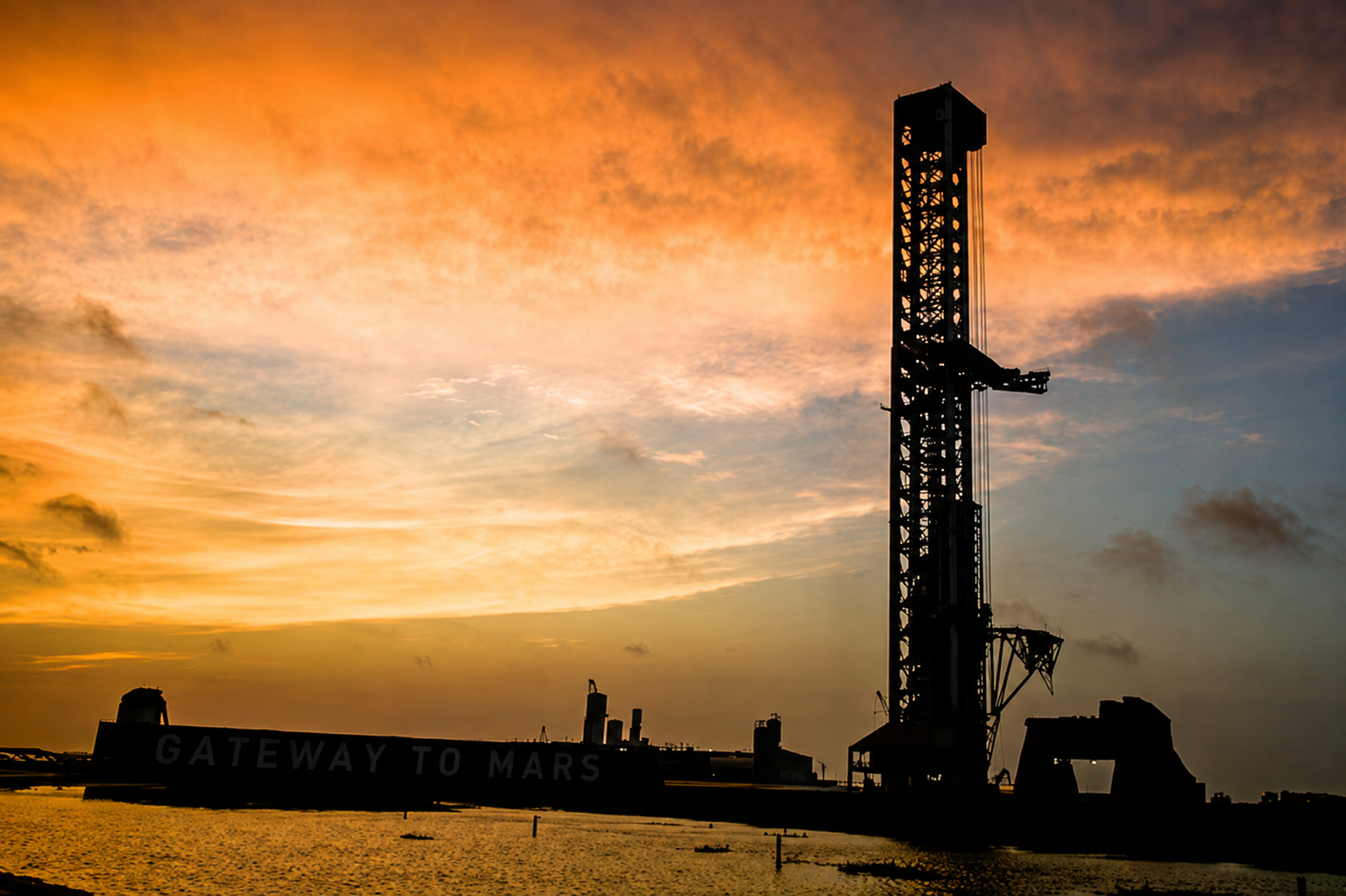
The test flight is scheduled to launch from Starbase, located near the Gulf of Mexico in Texas. The mission will also mark the first-ever launch from a newly constructed launch pad specifically designed to support the upgraded Starship system.
This launch represents a critical milestone for SpaceX because the company is now transitioning from experimental testing toward operational readiness.
Why the Starship V3 Launch Matters So Much
The Starship V3 test flight is important for several reasons beyond basic rocket testing. It is widely viewed as a major confidence test for investors watching SpaceX’s future growth potential.
Analysts believe the mission could significantly influence public perception of the company ahead of a possible IPO. Investor confidence in SpaceX depends heavily on the success of Starship because the rocket system is central to nearly all of Elon Musk’s future business ambitions.
These ambitions include:
- Human missions to Mars
- NASA lunar missions
- Global satellite internet expansion
- Deep-space exploration
- Orbital cargo transportation
- Space-based data centers
SpaceX has already become one of the world’s most valuable private companies, but Starship is expected to become the primary engine driving its future growth.
Industry experts say a successful launch could strengthen the company’s position as the dominant force in the global commercial space industry.
Upgraded Raptor Engines Could Deliver More Power
One of the biggest technical upgrades on Starship V3 involves the rocket’s powerful Raptor engines.
The Super Heavy booster uses 33 advanced Raptor engines, which have reportedly been redesigned to produce greater thrust while reducing overall engine weight.
This improvement is extremely important because lighter engines can increase payload capacity while improving fuel efficiency.
The upgraded propulsion system may help SpaceX achieve several critical goals:
- Carry heavier payloads into orbit
- Improve launch reliability
- Reduce mission costs
- Support deep-space missions
- Enable reusable launch operations
The Raptor engines are powered by liquid methane and liquid oxygen, making them uniquely suited for future Mars missions because methane fuel could potentially be produced directly on Mars.
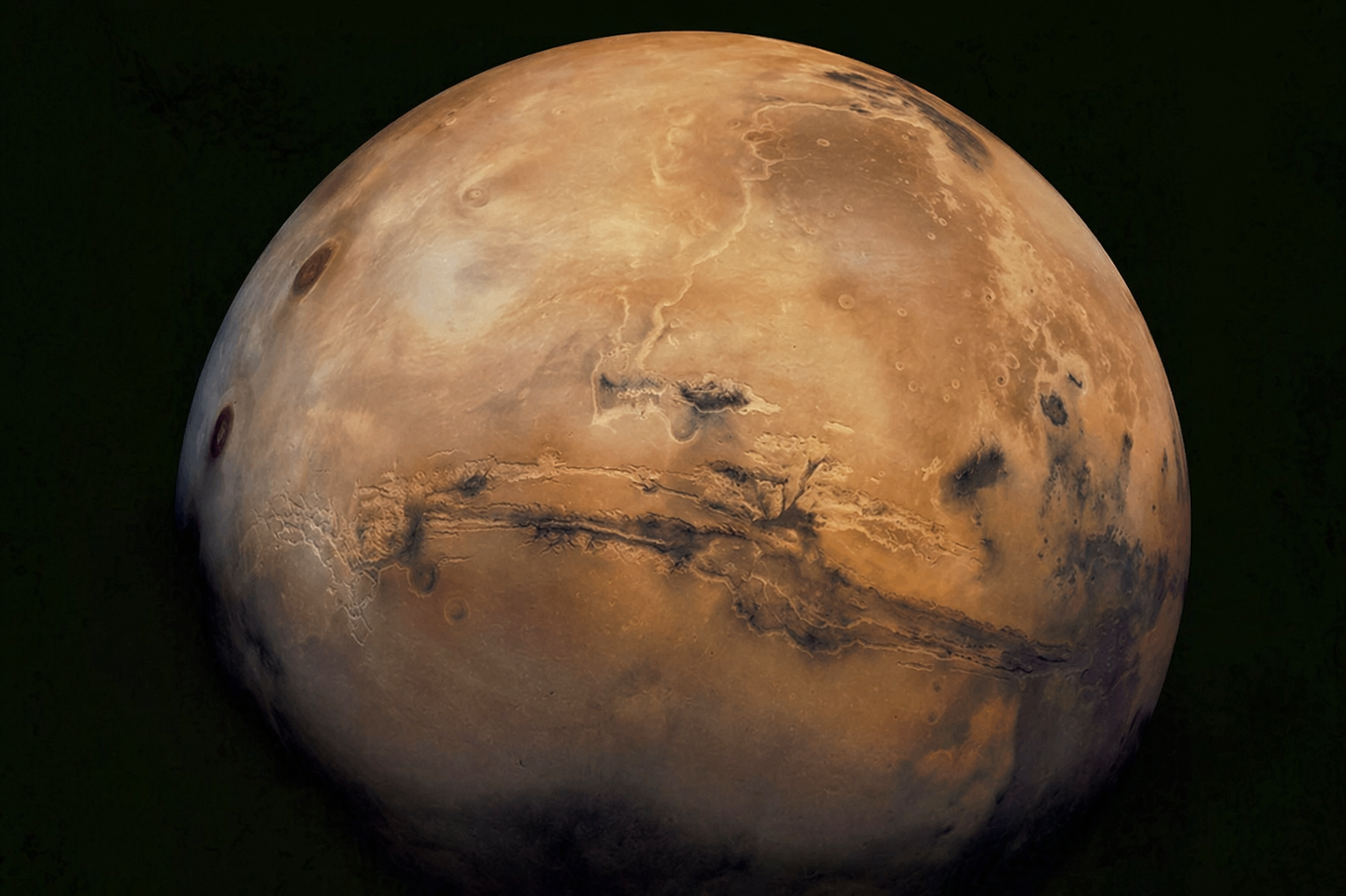
This technology is considered essential to Elon Musk’s long-term goal of building a self-sustaining human settlement on the Red Planet.
Starship Designed for Moon and Mars Missions
Unlike traditional rockets, Starship is being designed as a fully reusable spacecraft capable of transporting both cargo and humans to deep space destinations.
The upgraded Starship V3 includes new systems specifically developed for long-duration missions.
According to SpaceX, the spacecraft now includes:
- Ship-to-ship docking capabilities
- In-space refueling systems
- Improved maneuverability controls
- Enhanced heat shield technology
- Better long-term propulsion performance
These features are critical for future lunar missions under NASA’s Artemis program and for eventual missions to Mars.
In fact, SpaceX already holds a multi-billion-dollar NASA contract to develop a lunar landing version of Starship for future astronaut missions to the Moon.
The company hopes Starship will eventually become the transportation system that enables humans to become a multi-planetary species.
SpaceX Continues Its Rapid Testing Philosophy
One reason SpaceX has progressed faster than many traditional aerospace companies is its unique engineering culture.
Unlike conventional space programs that often spend years perfecting hardware before launch, SpaceX embraces rapid testing and frequent experimentation.
The company intentionally pushes spacecraft systems to their limits during test flights, gathers data from failures, and quickly implements improvements.
This aggressive development approach has helped SpaceX rapidly evolve Starship despite multiple setbacks and explosive test failures over recent years.
The upcoming Starship V3 flight will continue that strategy.
Although SpaceX does not plan to recover either the Super Heavy booster or the Starship spacecraft during this mission, the company will test several important landing maneuvers.
Planned Ocean Splashdowns and “Exciting Landing”
Following liftoff, the Super Heavy booster is expected to separate from Starship and descend back toward the Gulf of Mexico approximately seven minutes after launch.
Meanwhile, the upper-stage Starship spacecraft will continue its journey around Earth before attempting what SpaceX calls an “exciting landing” in the Indian Ocean roughly one hour later.
During descent, both vehicles will perform controlled landing burns to test flight stability and reentry performance.
These tests are extremely important because full reusability is one of the core goals of the Starship program.
A reusable rocket system could dramatically lower launch costs and transform the economics of space travel.
Starlink Satellite Deployment Test Planned
Before splashdown, Starship is also expected to deploy 20 Starlink simulator payloads along with two real modified satellites.
The satellites will help engineers collect critical information about:
- Heat shield performance
- Reentry temperatures
- Atmospheric stress
- Communication systems
- Flight telemetry
This data will help SpaceX improve Starship’s ability to survive repeated reentries into Earth’s atmosphere.
The mission also supports the continued expansion of Starlink, SpaceX’s rapidly growing global satellite internet business.
Starlink has already become a major revenue source for SpaceX and plays an important role in the company’s future valuation.
Investors Watching SpaceX Very Closely
Financial analysts and investors are paying close attention to this Starship mission because it may strongly influence the company’s future market value.
Reports suggest SpaceX could eventually target a valuation of around $1.75 trillion if its long-term space transportation goals become commercially successful.
The Starship program is considered essential to achieving that vision.
However, some investors remain cautious because SpaceX’s testing strategy involves substantial short-term risks and technical uncertainties.
The success or failure of Starship V3 may shape investor confidence ahead of any future IPO announcement.
NASA Artemis Missions and the New Space Race
The Starship program is also deeply connected to NASA’s Artemis missions, which aim to return astronauts to the Moon for the first time since the Apollo era.
SpaceX won a contract worth more than $3 billion to develop a lunar landing system based on Starship technology.
Under NASA’s plans, multiple Starship tanker launches will be required to refuel lunar-bound spacecraft in orbit before astronauts travel to the Moon’s surface.
At the same time, global competition in space exploration is intensifying.
China is also developing plans for a crewed lunar landing mission by 2030, creating a new space race between the world’s major space powers.
Final Thoughts on the Starship V3 Test Flight
The upcoming Starship V3 launch could become one of the most significant moments in modern space exploration. More than just a rocket test, the mission represents the future of reusable space travel, Mars exploration, lunar missions, and commercial space innovation.
If successful, Starship V3 could bring SpaceX closer to making interplanetary travel a reality while strengthening investor confidence in the company’s ambitious long-term vision.
As the world watches the giant rocket rise from Texas, the mission may mark another historic step toward humanity’s future beyond Earth.